
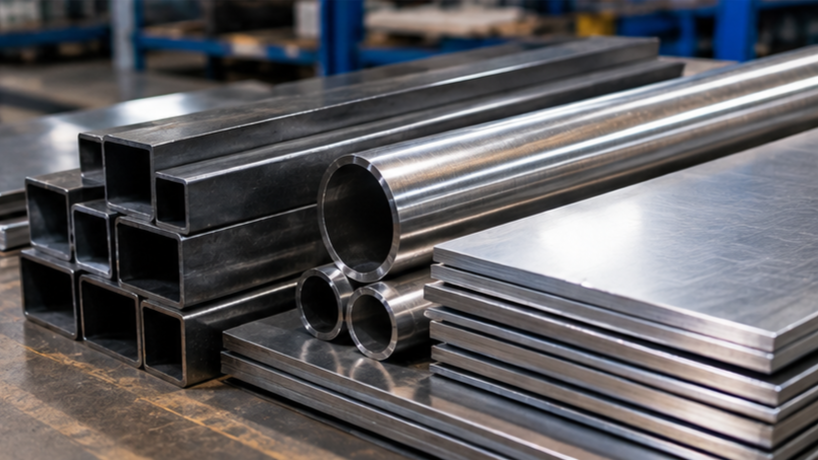
How to Choose the Right Metal for Your Fabrication Project
Material selection plays a critical role in determining a fabricated component’s strength, durability, corrosion resistance, manufacturability, and overall cost.
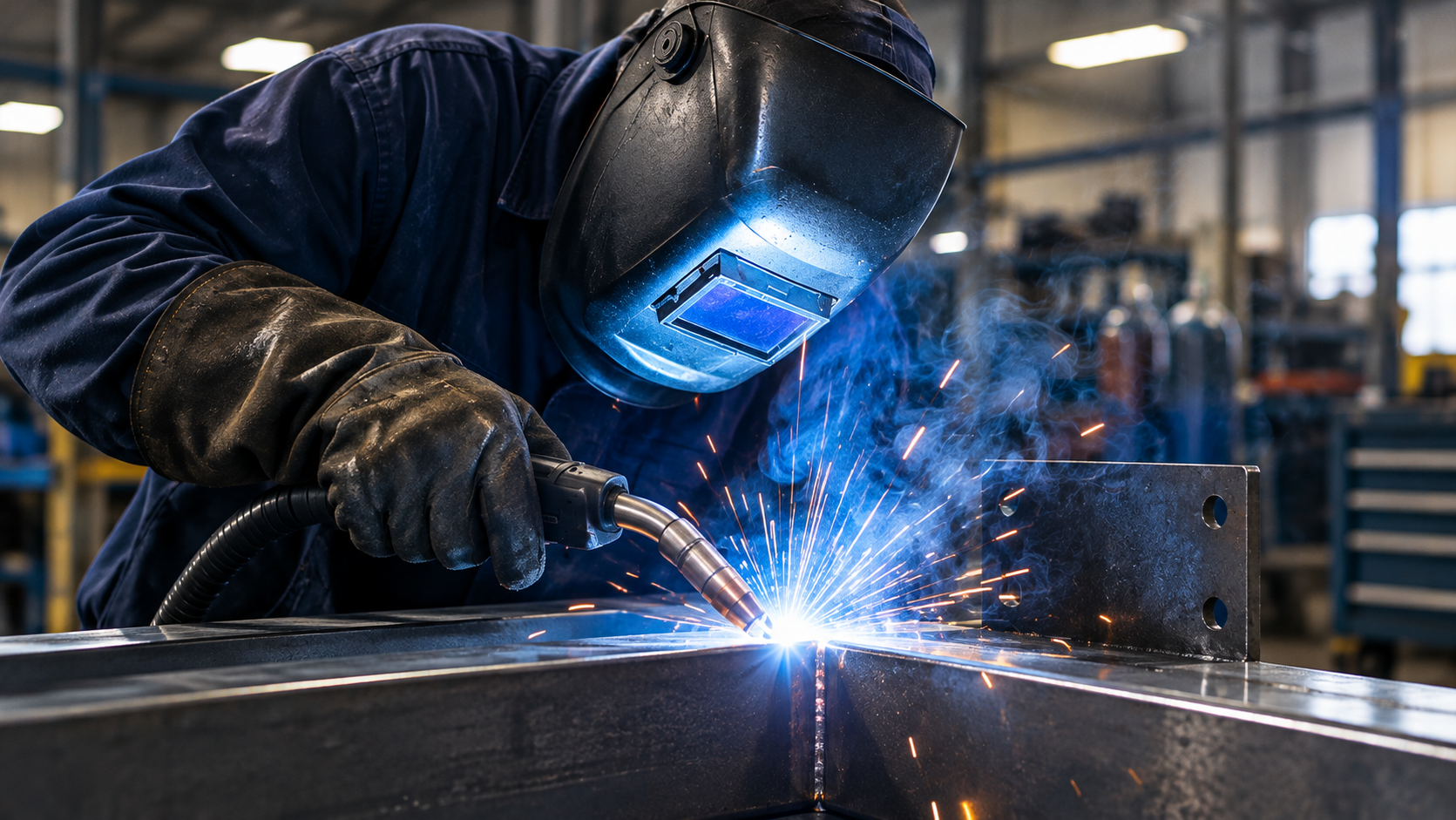
MIG Welding vs. TIG Welding: Which Process Is Right for Your Project?
MIG and TIG welding offer different advantages in production speed, precision, and material compatibility, making process selection an important part of successful metal fabrication.
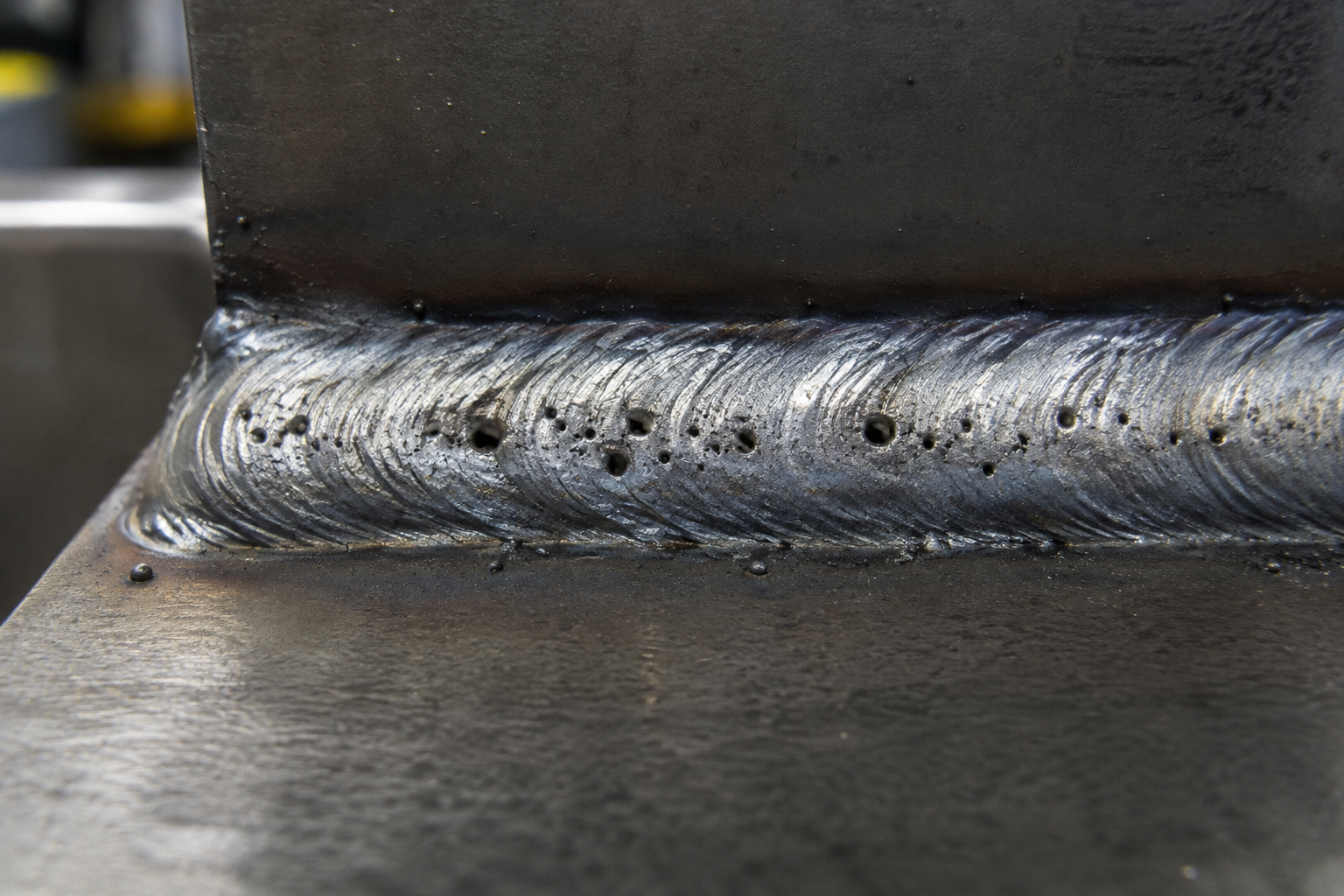
What Is Weld Porosity?
Small voids inside a weld can affect its strength, appearance, and performance. Understanding what causes weld porosity helps fabricators prevent defects and produce more reliable welded components.
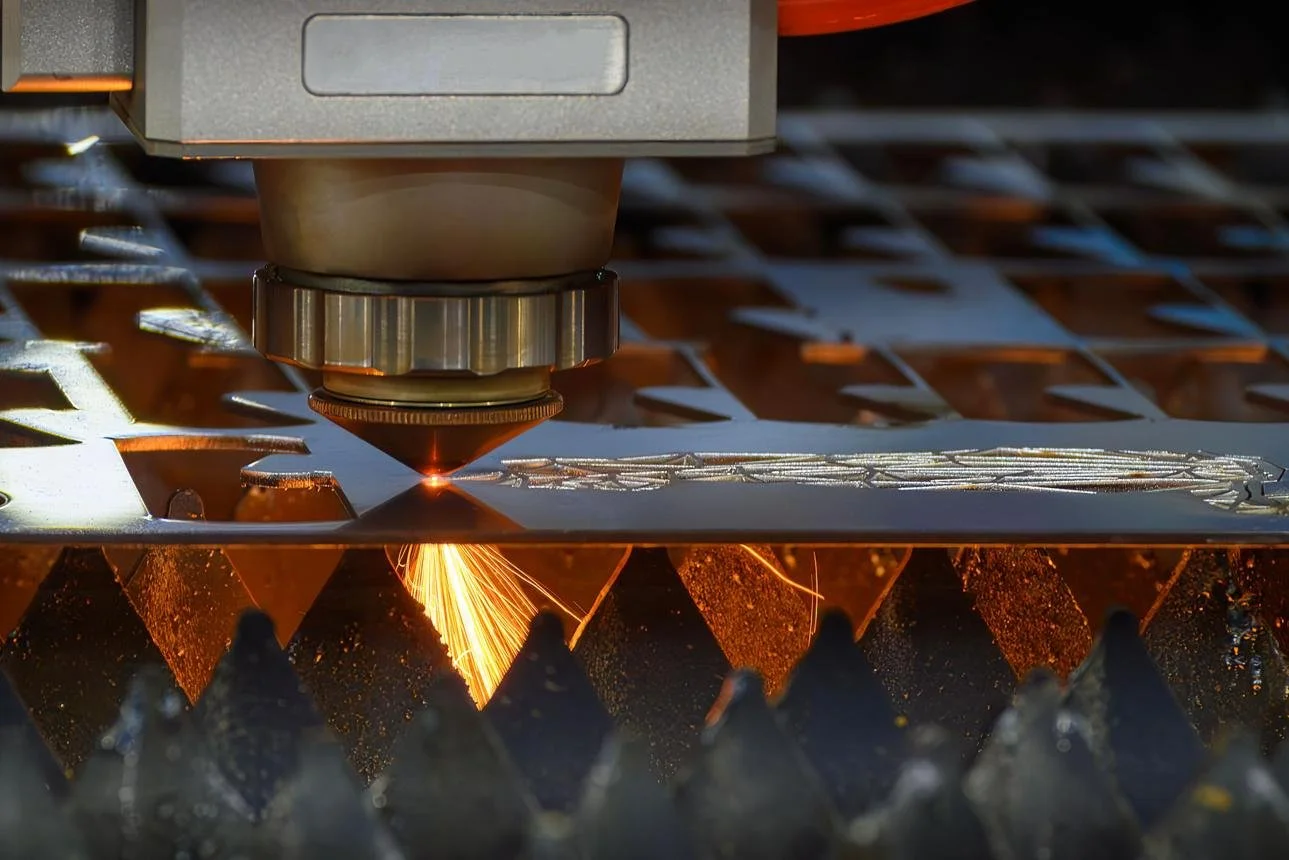
What Is Kerf in Laser Cutting?
Every laser cut removes a small amount of material. Understanding kerf helps explain how laser cutting achieves precision and why small differences can matter when designing and manufacturing metal parts.
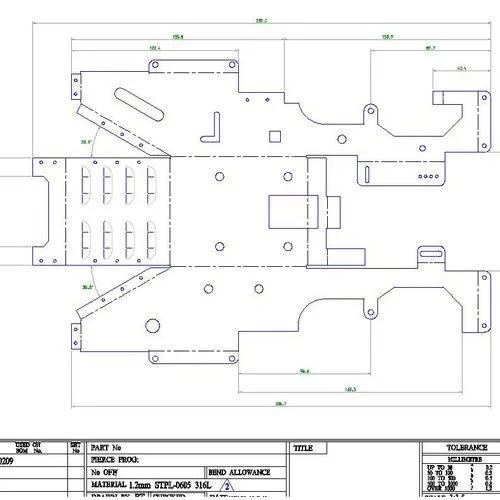
What Is Design for Manufacturability?
A part can be designed perfectly on paper and still be difficult to manufacture. Design for manufacturability helps engineers create parts that are practical, efficient, and cost-effective to produce.
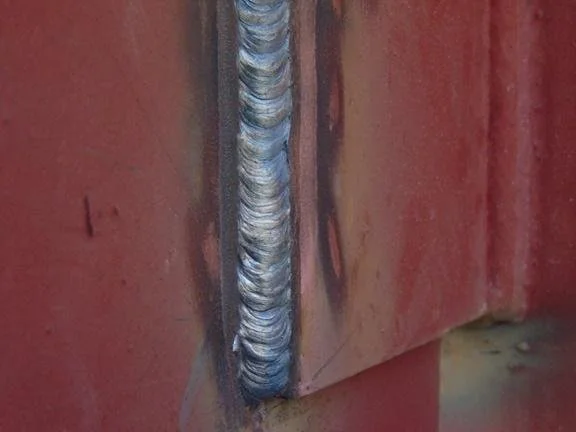
What Is a Weld Joint?
The way two pieces of metal are joined affects strength, appearance, and manufacturing requirements. Understanding different weld joints is an important part of successful fabrication.

How Heat Input Affects Welding Quality
Heat is essential to welding, but too much or too little can affect strength, distortion, and overall part quality. Understanding heat input helps fabricators produce stronger, more consistent welds.
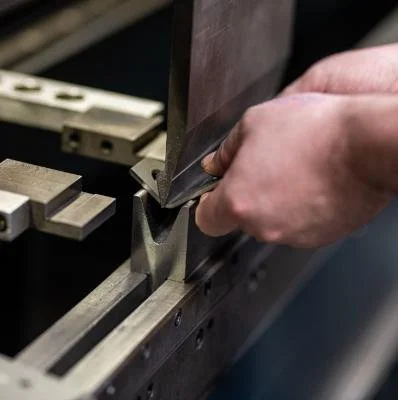
How Bend Radius Impacts Sheet Metal Fabrication
Every bend matters. Understanding bend radius helps improve part quality, reduce cracking, and create more consistent results during the forming process.
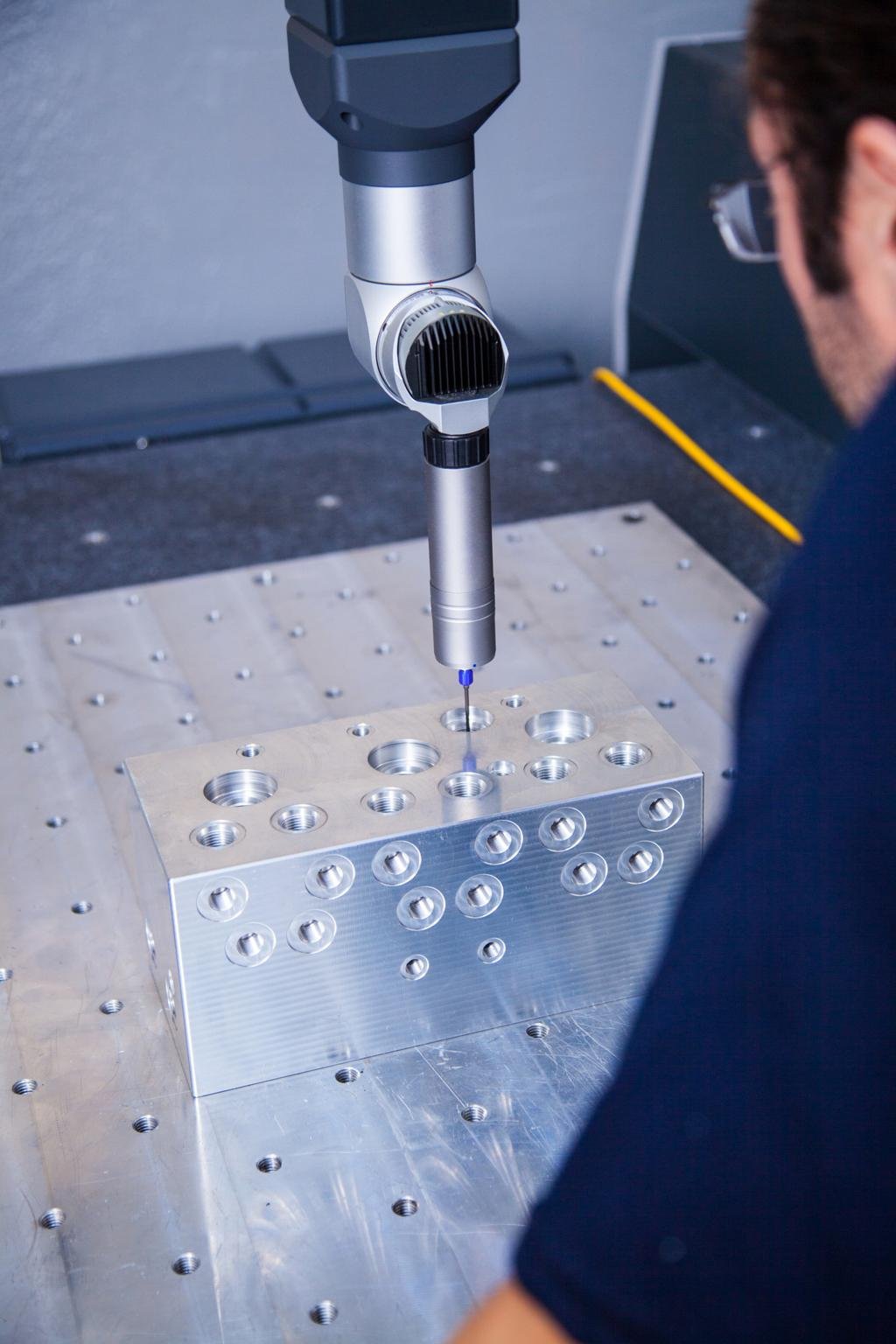
How Quality Control Improves Precision Fabrication
Quality control is more than a final inspection. It is an ongoing process that helps ensure consistency from the first part to the last.
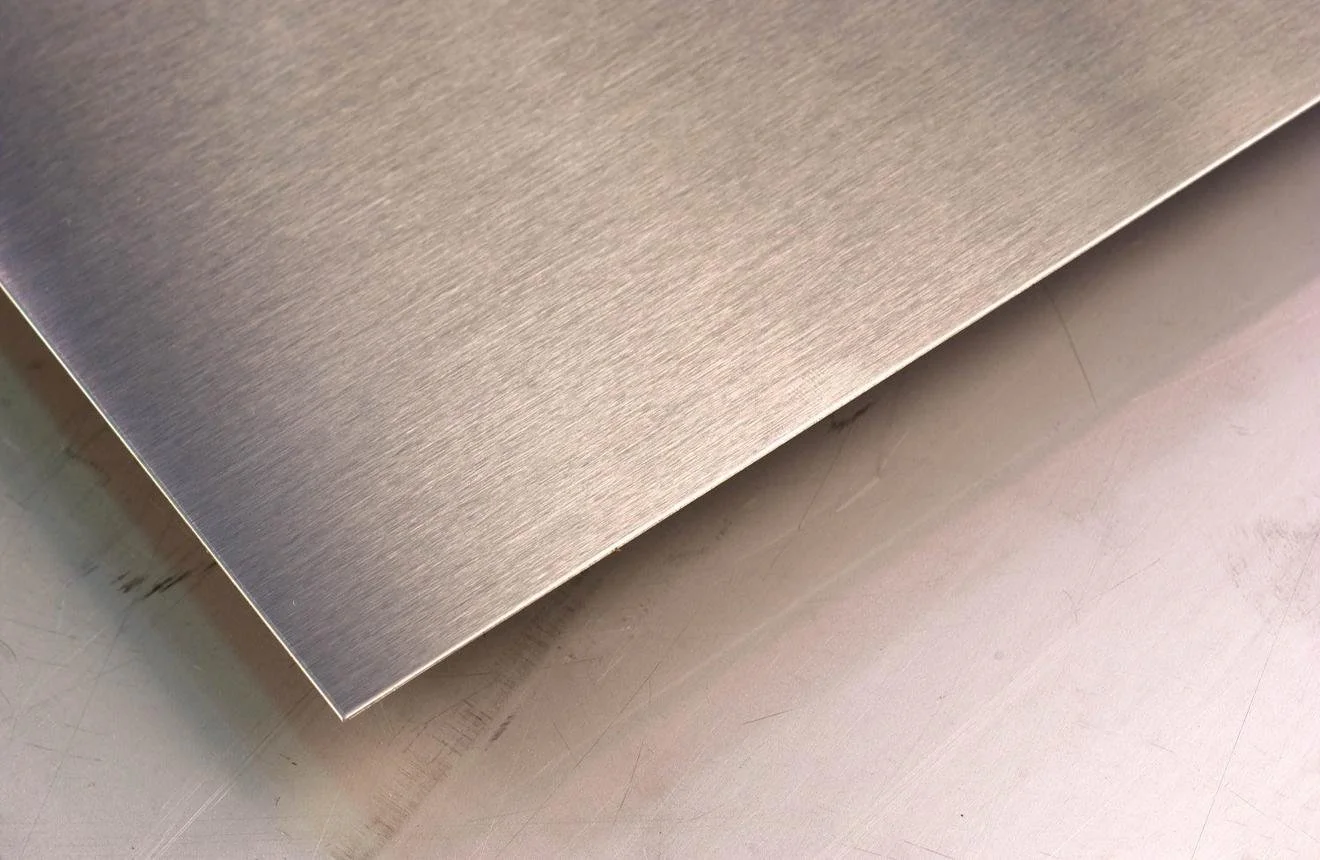
How Material Finish Affects Fabrication
The condition of raw material before fabrication can influence everything from welding and forming to finishing and final appearance.
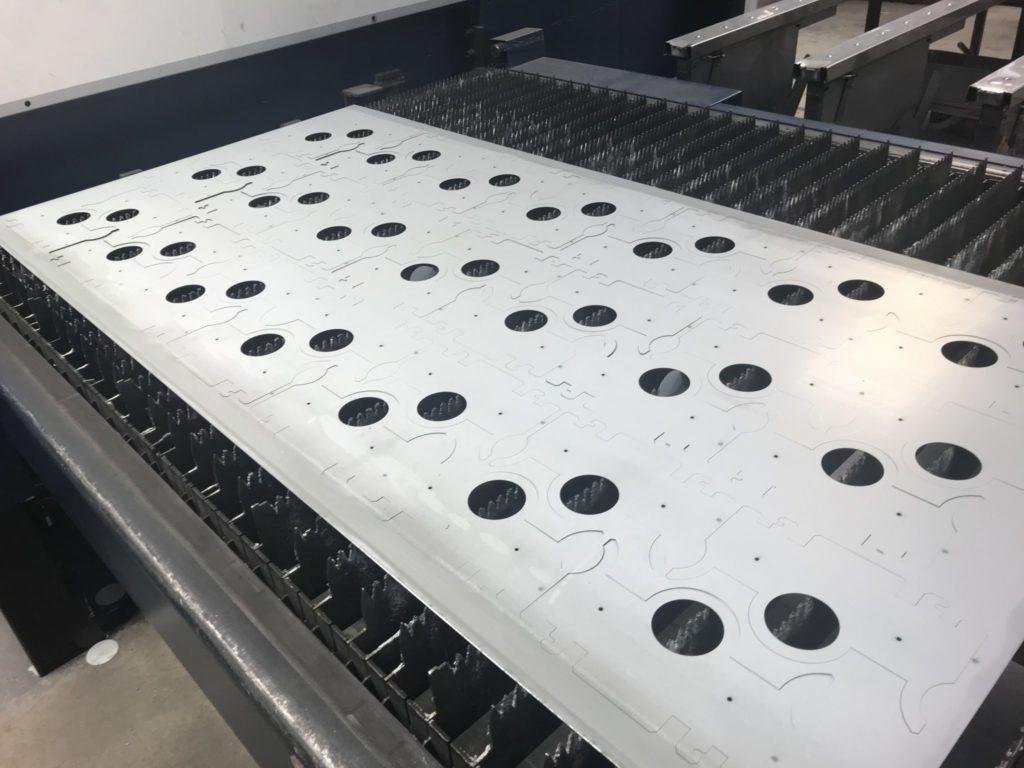
What Is Nesting in Metal Fabrication?
Efficient material usage starts before the first cut is made. Nesting helps maximize sheet utilization while reducing waste and production costs.
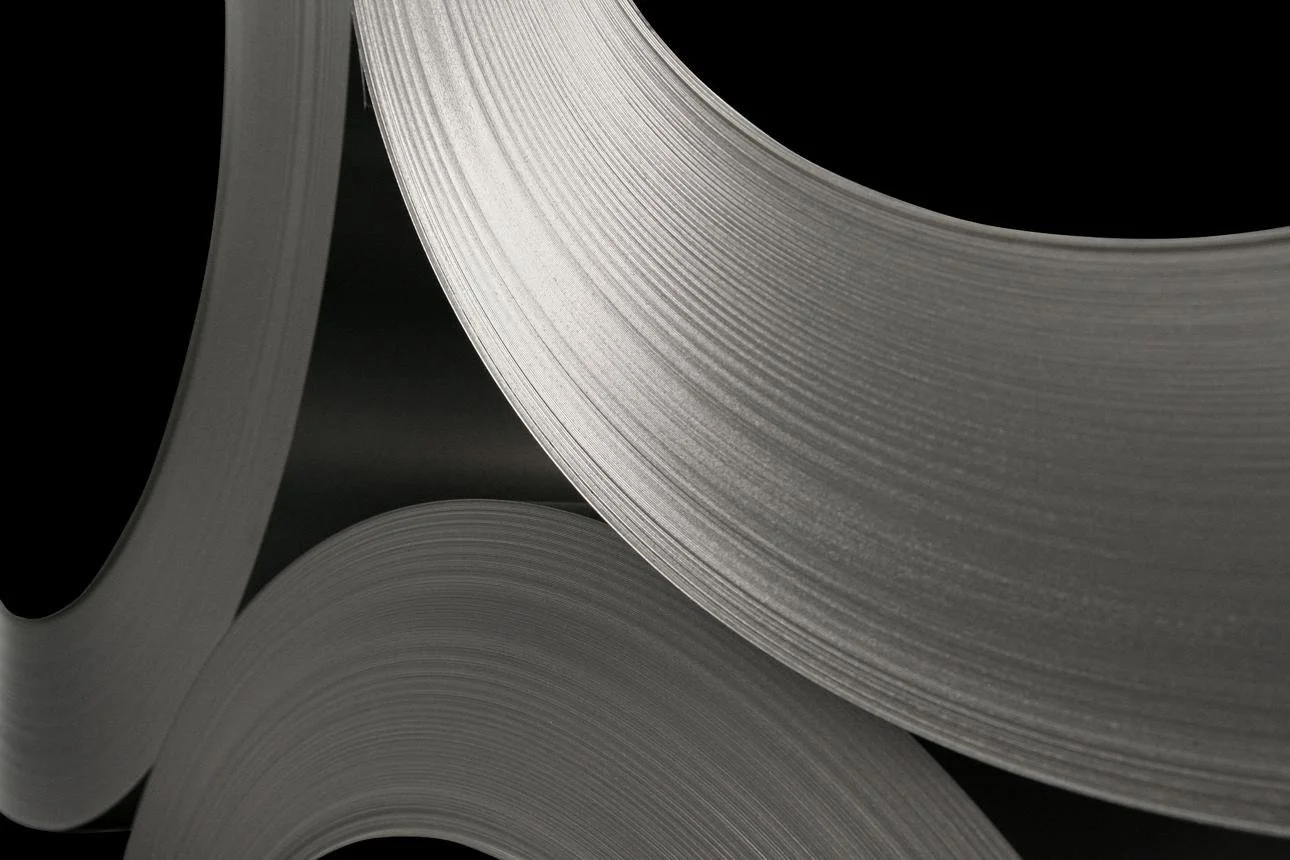
What Is Grain Direction in Sheet Metal?
Understanding grain direction can help improve bend quality, reduce cracking, and create more consistent fabricated parts.
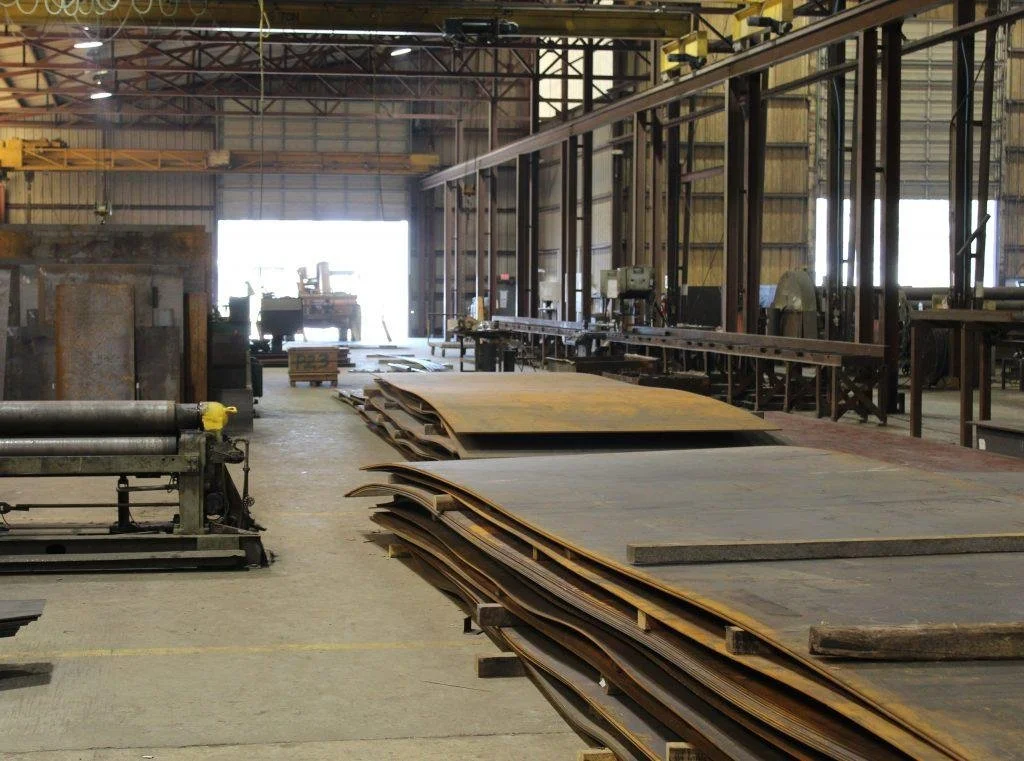
How Material Thickness Affects Fabrication
Material thickness influences nearly every stage of the fabrication process, from cutting and bending to welding and finishing.
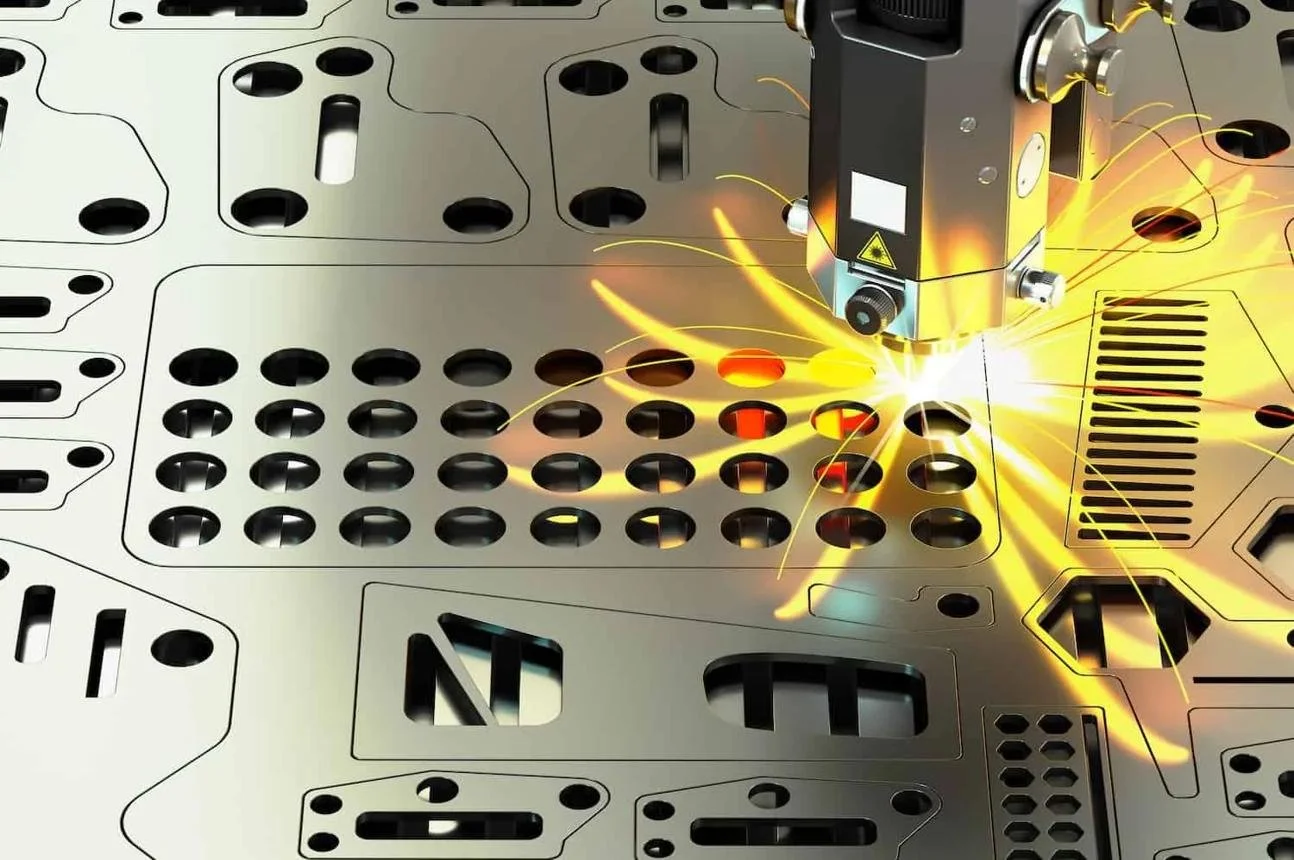
How Tabbing Helps During Laser Cutting
Small tabs can make a big difference when it comes to part stability, cut quality, and production efficiency.
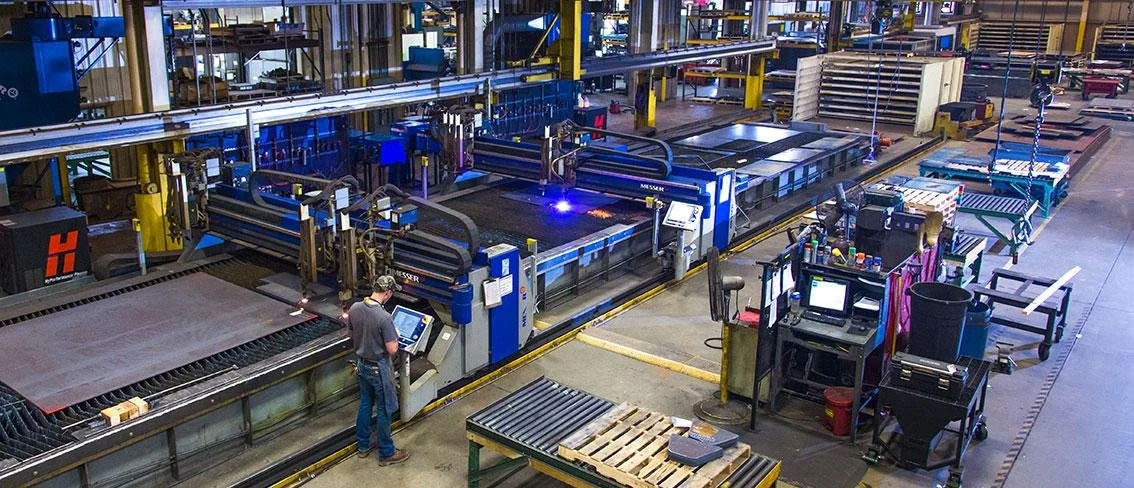
How Production Scheduling Impacts Fabrication Lead Times
Fabrication lead times depend on more than machine speed. Strong production scheduling helps projects move efficiently from cutting to final delivery.
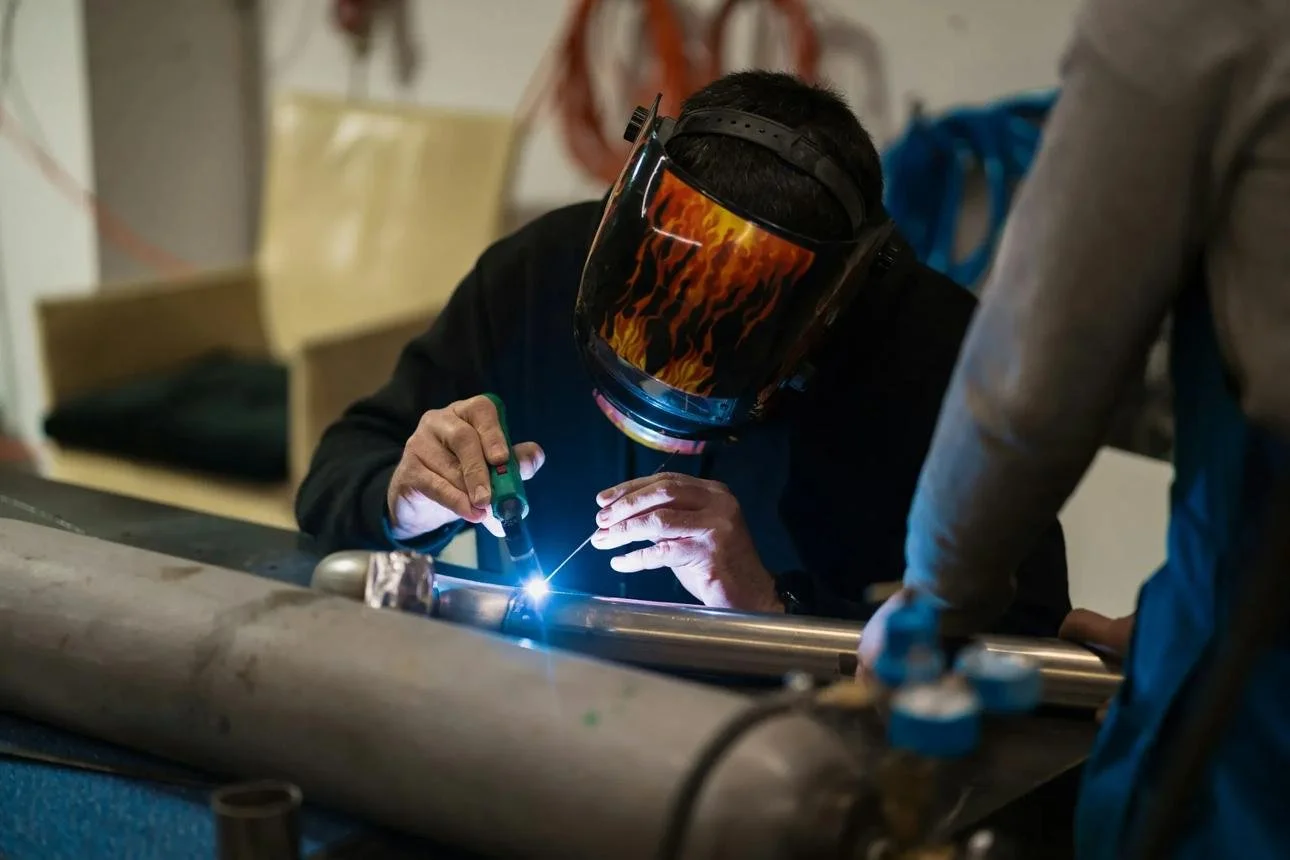
What Causes Weld Distortion During Fabrication?
Welding creates heat, and heat creates movement. Understanding distortion is critical for maintaining dimensional accuracy throughout fabrication.
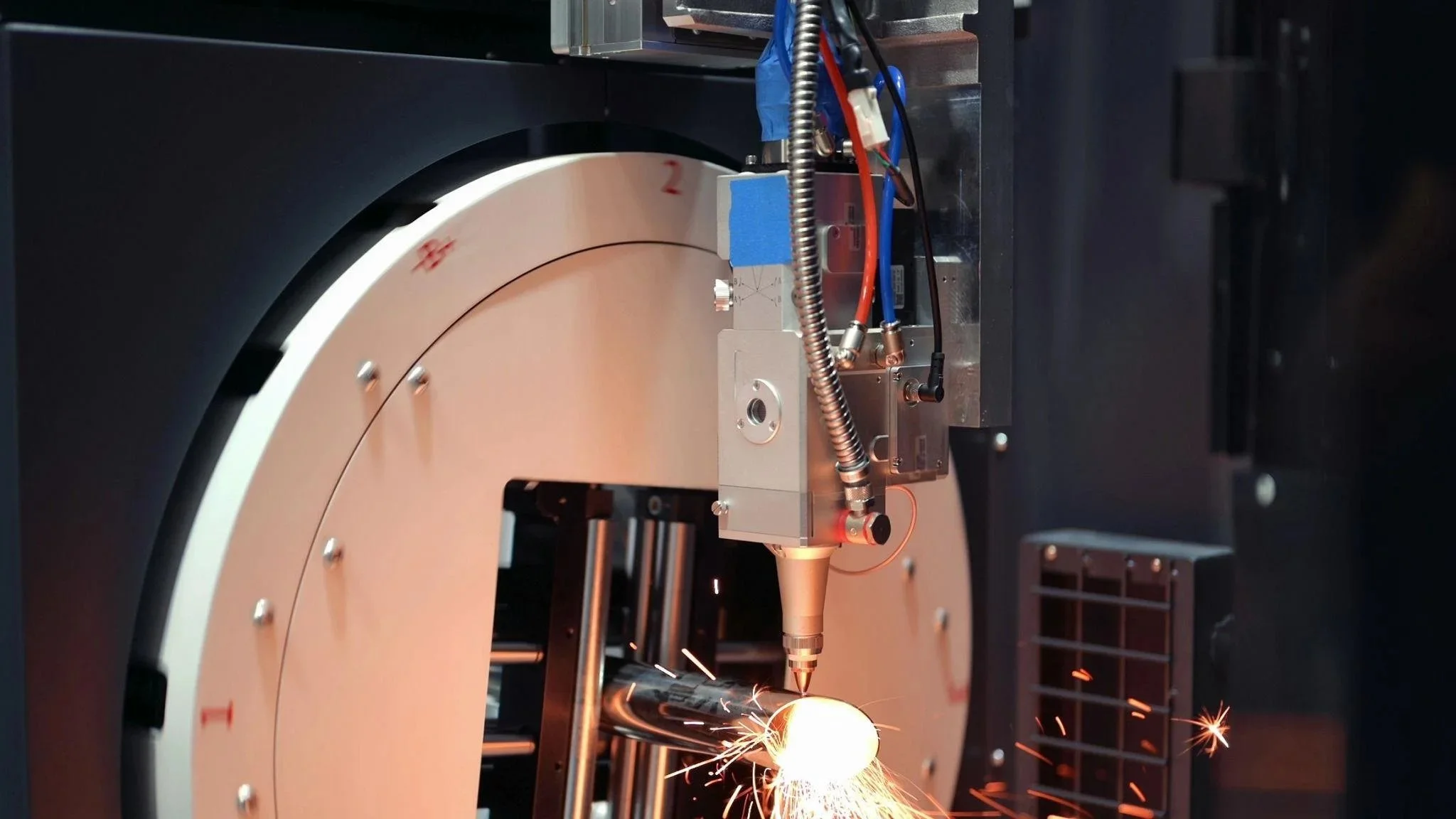
How Fiber Laser Assist Gases Affect Cut Quality
The type of assist gas used during laser cutting has a major impact on edge quality, oxidation, cutting speed, and overall fabrication efficiency.
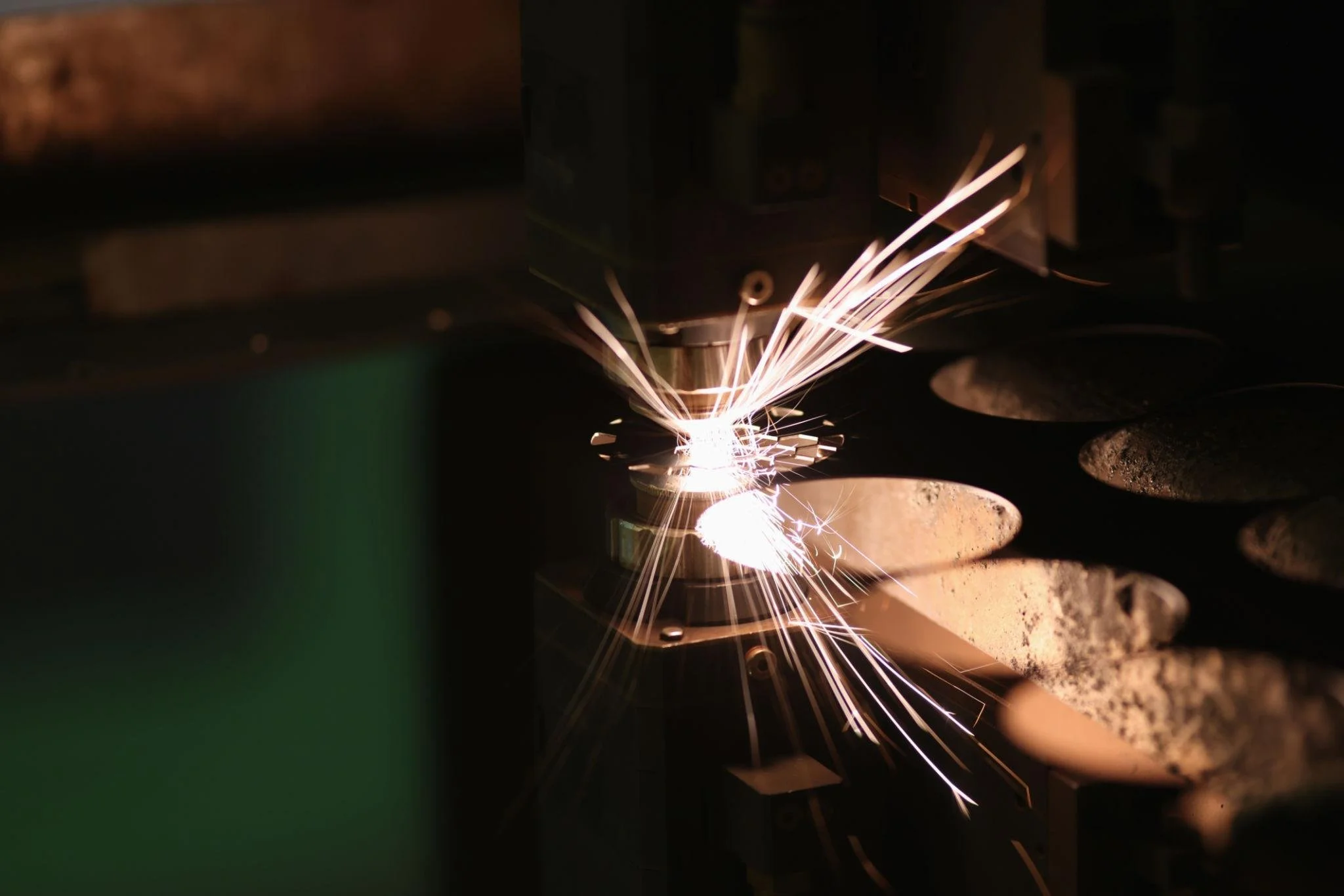
Why Edge Quality Matters in Metal Fabrication
Edge quality plays a major role in part performance, welding consistency, powder coating adhesion, and overall manufacturing efficiency. Cleaner edges reduce secondary processing and improve finished product quality.
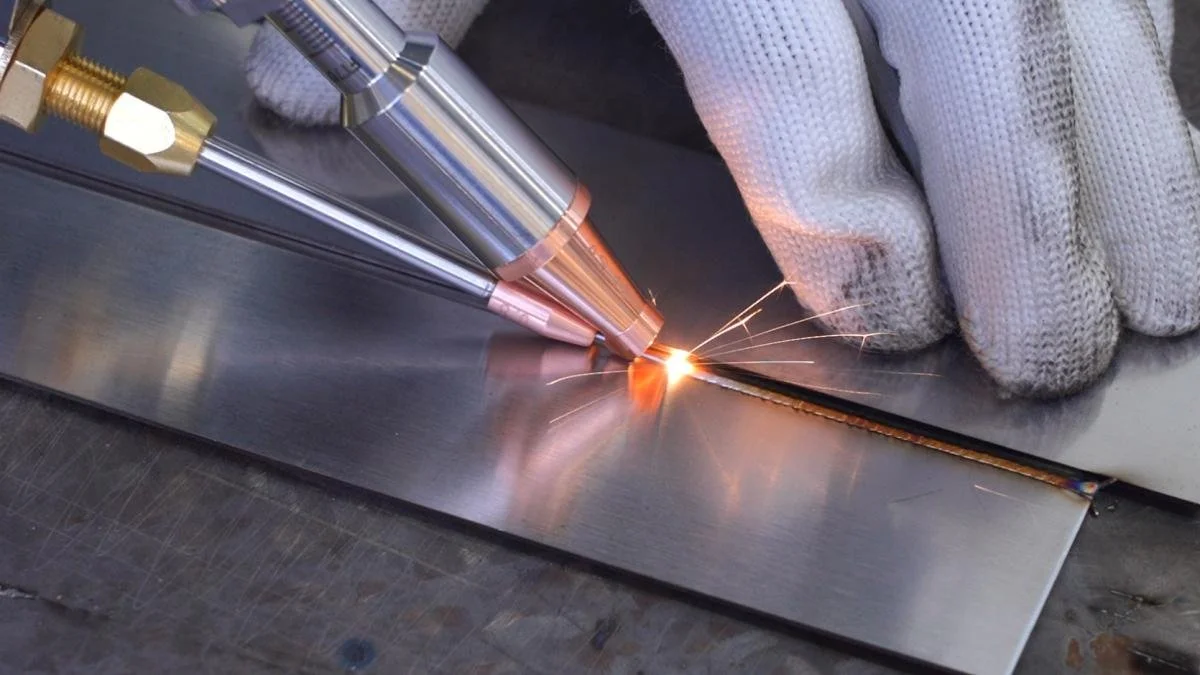
How Integrated Metal Fabrication Saves Time and Money
Using a single, full-service fabrication partner for cutting, forming, welding, and finishing can reduce lead times, lower costs, and improve overall product quality by eliminating delays and inconsistencies between vendors.
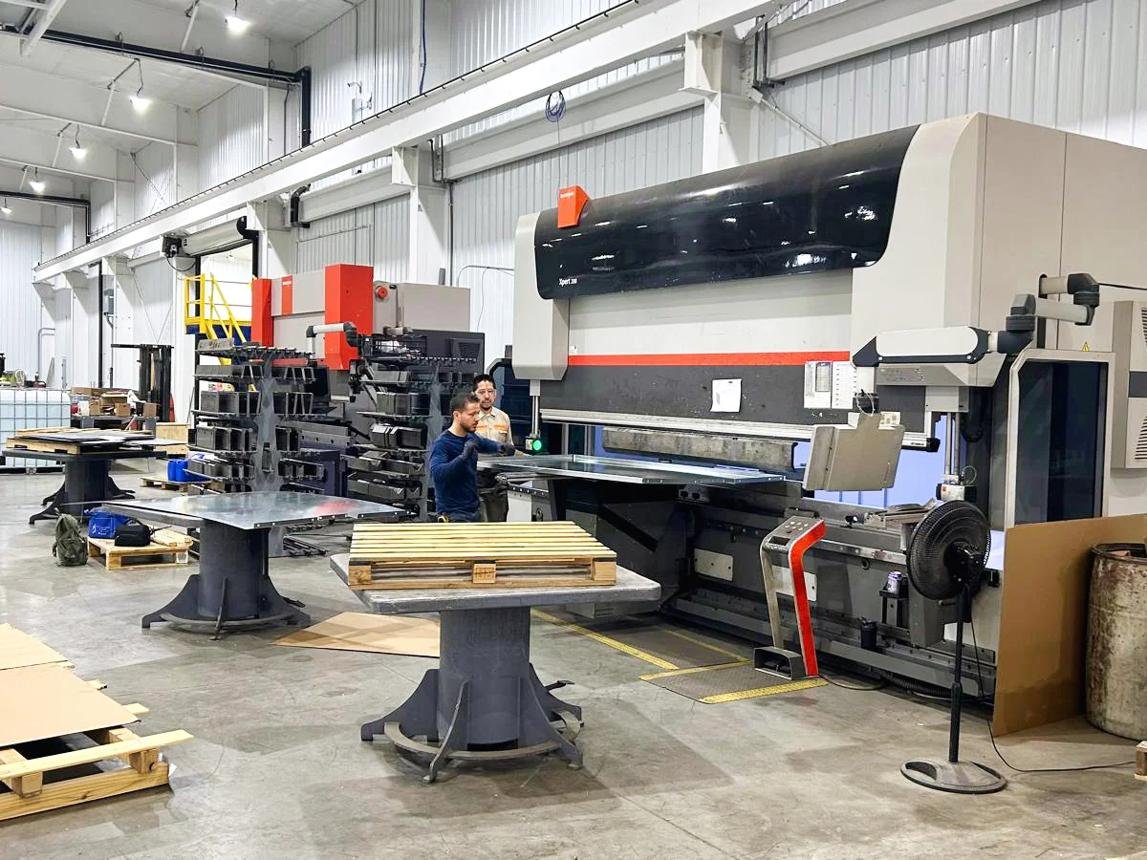
The Complete Guide to Metal Fabrication
Precision metal fabrication combines laser cutting, forming, welding, and finishing into a streamlined process that produces accurate, repeatable parts. Choosing a full-service, ISO-registered fabricator improves quality, reduces lead times, and lowers total cost.